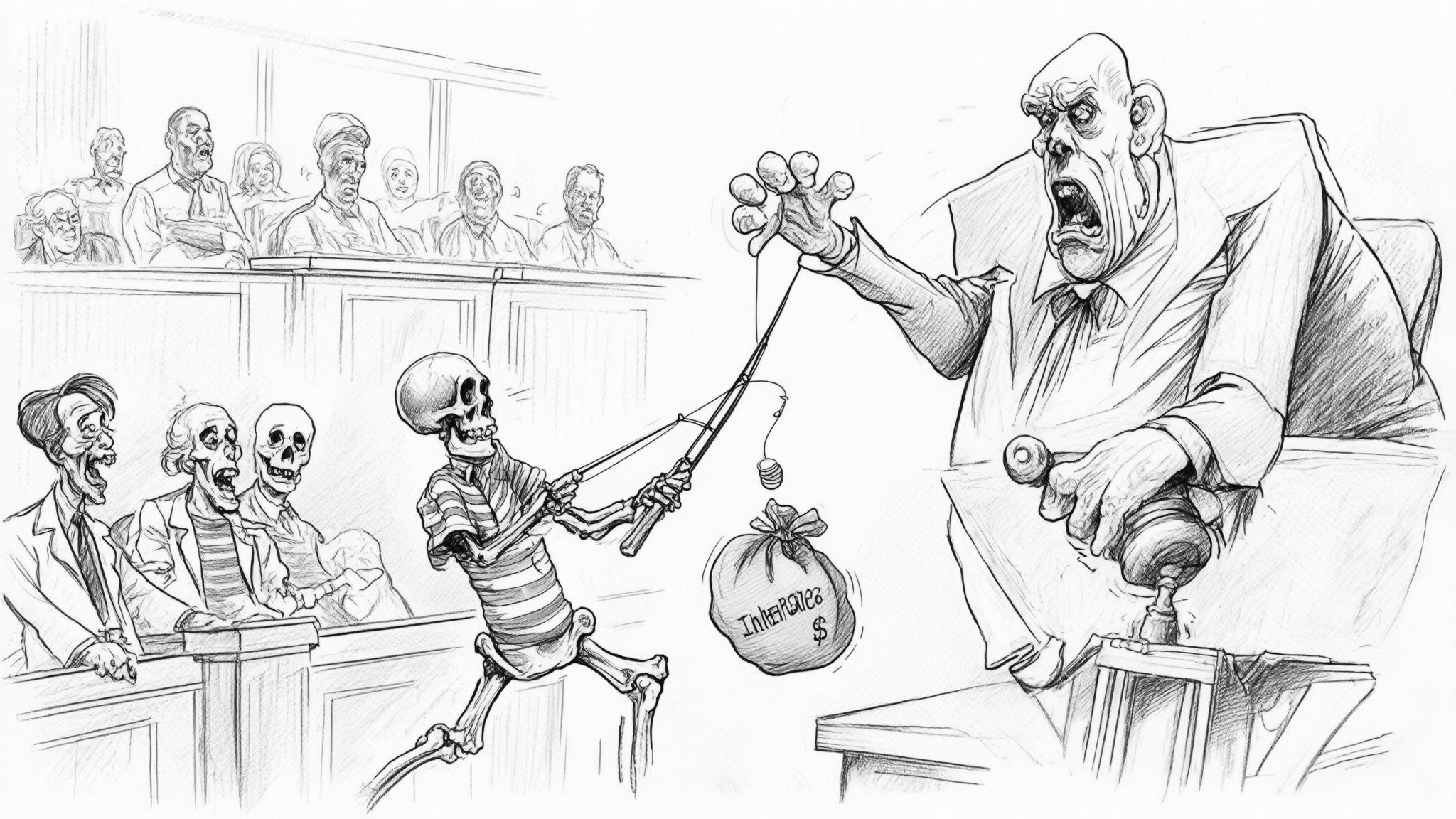
The tragic deaths of filmmaker Rob Reiner and his wife, photographer Michele Singer Reiner, have shocked the public. Following the charges of first-degree murder brought against their son, Nick Reiner, legal experts are now scrutinizing how inheritance laws apply when a potential heir is accused of killing the benefactor. This legal doctrine is known as the slayer rule.
Understanding the Slayer Rule
Every state in the U.S. enforces some version of the slayer rule application. Fundamentally, this common-law doctrine prohibits individuals from profiting from their own crimes. If a beneficiary is found responsible for the death of a property owner, they are legally barred from inheriting assets from the victim’s estate.
While statutes vary by jurisdiction, the core principle remains consistent. In some states, this prohibition extends beyond standard wills to include:
- ⚰️ Jointly held property
- 📜 Life insurance policies
- 🏦 Retirement accounts and other financial instruments
Crucially, most statutes, including those in California, specify that the killing must be “felonious and intentional.” This language generally excludes accidental deaths from the rule's scope. Furthermore, a criminal conviction is not always necessary to trigger this disinheritance; a civil court can independently determine that a killing was intentional, barring the slayer from the estate even without a guilty verdict in criminal court.
Historical Precedents and Famous Cases
The concept gained prominence following an 1889 New York case where a teenager poisoned his grandfather to expedite his inheritance. Since then, the rule has been tested in various high-profile cases, particularly in California.
- The Menendez Brothers: Lyle and Erik Menendez were convicted of murdering their wealthy parents in 1989. Despite the vast size of the estate, the slayer rule prevented them from inheriting a single cent. Even if they were to be paroled, they would remain ineligible to claim the family fortune.
- Scott Peterson: After being convicted of murdering his pregnant wife in 2002, Peterson was blocked from collecting on her life insurance policy, illustrating how the rule applies to spousal benefits.
Exceptions and Legal Nuances
The application of the slayer rule is not always automatic. Defense attorneys may argue that a killing was not “intentional” to bypass the statute. In cases involving mental health issues, such as severe substance abuse or schizophrenia, a defense team might argue insanity. If a court finds the accused was legally insane at the time of the act, the slayer rule might not apply because the requisite intent was missing.
However, the burden of proof in probate court is lower than in criminal court. Even if a defendant is acquitted of murder or convicted of a lesser charge like manslaughter, a probate judge can still rule that the killing was intentional for the purpose of inheritance, effectively disinheriting the individual.
The Reiner Estate
While the specifics of the Reiner family’s estate planning documents are private, wealthy individuals typically utilize trusts to manage assets and intellectual property rights. If the standard slayer rule applies, and if Nick Reiner is found liable for the deaths, he would be treated as though he predeceased his parents. This would likely redirect his share of the estimated $200 million fortune to his siblings or charitable causes supported by the couple.
Strategic Implications
For estate planners and beneficiaries, this case highlights critical aspects of inheritance law:
- ⚖️ Civil vs. Criminal Standards: A criminal acquittal does not guarantee an inheritance. Probate courts have the autonomy to make their own findings regarding the nature of a death.
- 📝 Intent Matters: The specific classification of the crime—whether it is deemed intentional and felonious—is the pivot point for disinheritance.
- 🛡️ Asset Protection: High-net-worth estates often include specific clauses in trusts that mirror slayer statutes to ensure assets are preserved for innocent beneficiaries.